10 Tips for Using Silicone Candle Molds Like a Pro
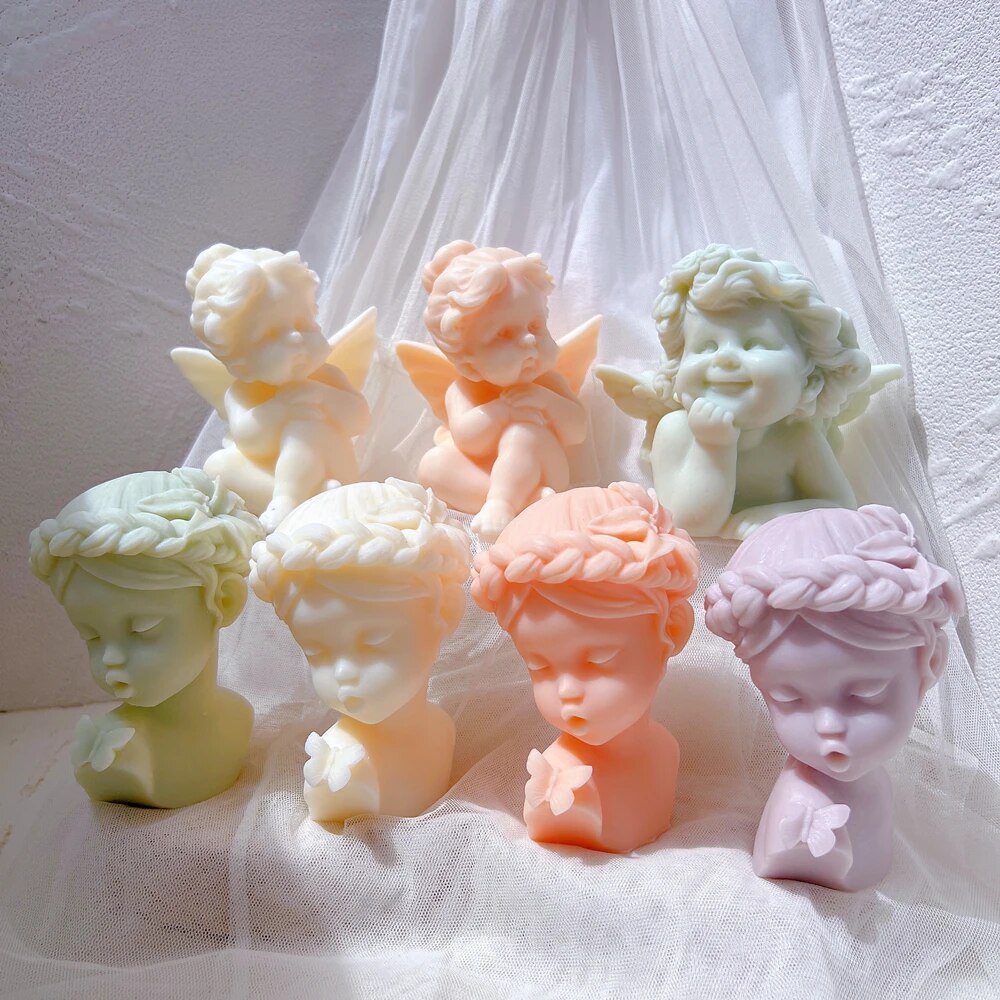
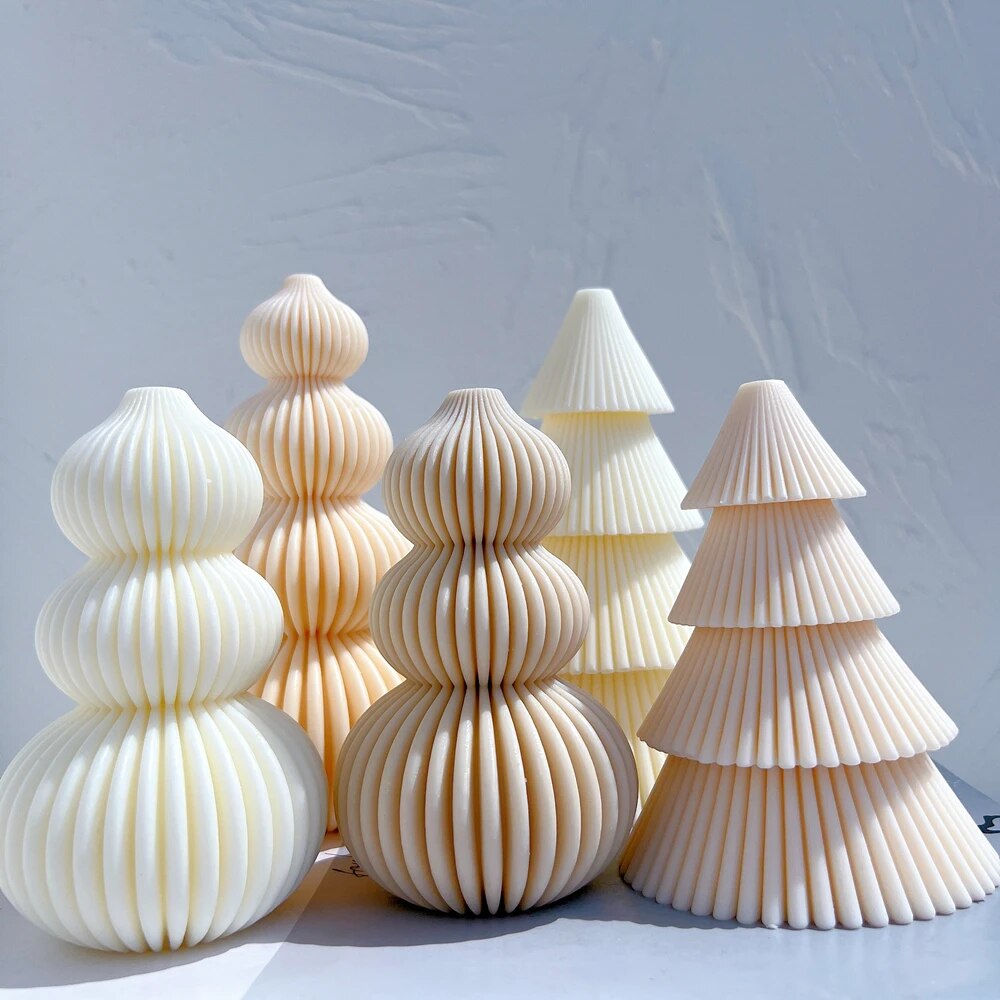
Silicone candle molds can produce everything from simple pillars to detailed flowers, animals and sculptural candles. But getting a good result involves more than pouring wax into a flexible mold.
You need to understand how your particular mold opens, how the wick should be positioned, which wax is suitable, and when the finished candle is ready to come out.
These 10 tips for using silicone candle molds take you through the process from setup to cleanup. They apply to common one-piece, slit, multi-piece and multi-cavity designs, with guidance on the differences that matter.
Before you start: What type of silicone mold do you have?

Silicone molds are flexible, but that does not mean they all work in the same way. Look closely at your mold before preparing the wax.
| Mold construction | What to check | How the candle is usually released |
|---|---|---|
| One-piece flexible mold | Main opening, wall thickness, fine details and wick path | The mold is gently flexed or peeled away from the cooled candle. |
| Bottom-release design | Which opening is intended for removing the candle | The finished candle is eased out through the intended opening. |
| Side-slit mold | Existing slit, intended closure and seam alignment | The closure is removed and the slit is opened gradually. |
| Multi-piece mold | How the sections fit together and are secured | The sections are separated in the intended order. |
| Multi-cavity mold | Individual cavity dimensions, fill levels and wick positions | Each finished piece is released according to its cavity shape. |
For more information about these constructions, read our guide to candle mold types.
1. Choose a mold that suits your project
Start with the finished candle you want to make. A simple pillar and a detailed floral candle can demand very different levels of care during wicking, pouring and demolding.
Check the mold for:
- Fine details: Thin petals, ears, limbs and projections can break during removal.
- Undercuts: Parts of the candle that become wider behind a narrower mold opening can make release more difficult.
- Support needs: Soft or tall molds may need external support to remain upright while filled.
- Openings and seams: Identify the intended release method before pouring.
- Material suitability: Use a mold intended for candle wax and follow its actual temperature guidance.
Do not use "food-grade silicone" as your only purchasing criterion. Food-contact suitability does not establish that a particular mold is designed or suitable for hot candle wax.
If you are just starting, a mold with fewer fragile details and a straightforward release opening can make learning easier.
You can explore different shapes in our silicone candle molds collection.
2. Choose wax suitable for molded candles
A silicone mold gives the wax its shape, but the cooled wax must be able to support that shape after removal.
For candles intended to stand freely, begin with a wax formulation documented for pillar or other freestanding candle use.
Suitable options may include pillar soy wax, beeswax, paraffin pillar wax or specially formulated pillar blends. Their exact pouring, cooling and release characteristics vary by product.
A container-only wax should not automatically be used for a freestanding sculptural candle, particularly one with thin details.
For help comparing your options, read The Best Wax for Silicone Candle Molds.
Practical tip: If a candle repeatedly bends, smears or breaks during removal, check the wax's intended application before assuming that the mold is defective.
3. Inspect, clean and support the mold before pouring
Check your mold before each use. Look for dust, leftover wax, damaged edges, tears or seams that no longer meet properly.
If cleaning is necessary, use a method compatible with your mold's material. For suitable silicone molds, gentle cleaning with mild soap and water may be appropriate. Rinse away cleaning residue and allow the mold to dry thoroughly before adding wax.
Place the mold on a stable, level and suitable work surface.

Supporting soft silicone molds
A flexible mold may not be able to stand upright once filled. Some molds need a support frame, holder or other manufacturer-recommended external support.
The support should keep the mold steady without distorting its cavity. Do not squeeze the mold into a support that changes the finished shape.
Checking slit and multi-piece molds
If your mold includes a deliberate slit or several sections, assemble it according to the intended design before pouring.
Confirm that the seam is correctly aligned and use the closure method intended for that mold. An incorrectly secured seam can allow wax to escape or create unwanted ridges on the finished candle.
For further preparation guidance, see How to Prepare Candle Molds for Wax.
4. Position and secure the wick correctly
Wick setup depends on the mold's construction and the finished candle you are making.
Some silicone molds have a prepared wick hole. Others use a different wick path or require a setup specified by the manufacturer.
The important points are to keep the wick properly positioned, secure it during pouring and seal any opening through which melted wax could leak.

For a mold with an existing wick hole
- Inspect the existing hole and check the mold's intended wick direction.
- Thread the selected wick through the opening as instructed for that construction.
- Secure the wick and seal the opening using a suitable, manufacturer-supported method.
- Position the free end using an appropriate wick support so it stays aligned while the wax is poured and cools.
Do not assume that every silicone mold uses a metal-tabbed wick, a wick sticker or the same top-to-bottom threading direction.
For slit or multi-piece molds
Make sure the assembled sections do not push the wick away from its intended position. Check both the wick path and the seam before pouring.
If a mold has no wick opening, do not cut or puncture it without suitable guidance for that particular design. An unnecessary cut can damage the mold or create a leak.
Our guide to putting a wick in a candle mold covers installation methods in more detail.
Remember: Correct wick positioning does not guarantee a safe burn. Wick size and type must still be evaluated with the finished candle's wax, dimensions, fragrance, color and geometry.
5. Follow the correct wax temperature guidance
Temperature is important, but there is no universal pouring temperature for every wax or silicone mold.
Use a suitable thermometer and follow the instructions for your exact wax formulation, while staying within the documented temperature limits of the mold.
Different waxes may have different requirements for:
- Heating and melting;
- Adding fragrance or color;
- Mixing;
- Pouring; and
- Cooling and any subsequent pours.
For example, a wax manufacturer's pouring recommendation for one pillar soy formulation may be different from its recommendation for another soy product. Never treat a general recommendation for "soy wax" as an instruction for every soy wax.
Use suitable controlled heating equipment, monitor the temperature and never leave melting wax unattended.
6. Fill the mold carefully and avoid trapped air
Once your mold is stable, its seams are secured and its wick is correctly positioned, you can pour the prepared wax according to the wax supplier's instructions.
Pour carefully and avoid disturbing the wick or support arrangement.

Watch the level of the wax so that you do not overfill the mold or allow it to escape through the opening.
Leave any necessary space for a supplier-recommended second pour, but do not intentionally underfill every mold simply because wax changes as it cools.
What about air bubbles?
Detailed molds can trap air in narrow corners, petals or textured surfaces.
Depending on the mold, wax and recommended filling method, gentle movement of a stable mold may help trapped air rise. However, the technique must not dislodge the wick, open a seam or spill hot wax.
Do not press or squeeze a mold containing hot or partially set wax to force bubbles out. This can distort the candle, disturb its surface or cause spills.
Avoid adding alcohol, oils or unapproved sprays inside the mold as a general bubble-removal shortcut.
If the same detail repeatedly contains an air pocket, review the filling direction, the mold's geometry and the wax supplier's instructions before trying another method.
7. Let the wax cool and set before demolding
Once poured, keep the mold stable while the wax cools and solidifies.
Resist the temptation to move or stretch the mold just because the exposed surface feels firm. The center of a larger candle may still be warmer and less stable.
The time required depends on the wax formulation, mold size, room conditions and candle geometry. Follow any specific guidance from the wax manufacturer.
Cooling time is not always curing time
These terms are sometimes confused.
Cooling and setting concern when the wax has solidified enough for handling and demolding.
Curing is a term often used for the period a wax supplier recommends before evaluating fragrance performance.
A candle can be ready for removal from its mold before the recommended fragrance-evaluation period is complete.
Do not automatically apply the same 24-hour, 48-hour or two-week waiting period to every wax and mold combination.
8. Demold according to the mold's construction
A gentle release is especially important for candles with flowers, figures, fine texture and fragile projections.
First make sure the candle has cooled sufficiently. Then examine how the mold is designed to open.
One-piece flexible silicone molds
Where the design permits, gently flex or peel the silicone away from the cooled wax. Work gradually around delicate features rather than pulling the whole candle out by a thin section.
Bottom-release molds
If the candle is intended to leave through the bottom or another defined opening, support the candle and carefully ease the silicone away in the intended direction.
Side-slit molds
Remove the intended seam closure, open the existing slit gradually and release the candle a little at a time.
Do not treat the slit as damage, and do not create additional cuts simply because the finished candle feels difficult to remove.
Multi-piece molds
Release the intended closures, then separate the mold sections in their designed order. Avoid forcing the candle through a narrower opening when the mold is intended to come apart.
Multi-cavity molds
Release each cavity carefully, paying attention to small or fragile features. Do not twist the entire mold aggressively if doing so could break several finished pieces.

If your candle will not release, stop and inspect the opening, wax condition and mold construction. Avoid relying on universal freezer, heat-gun, vegetable-oil or release-spray methods.
For a detailed troubleshooting guide, read Step-by-Step Guide to Demolding Candles from Silicone Molds.
9. Inspect the candle before considering it finished
A candle that looks good from one angle may still have problems that deserve attention.
After demolding, inspect the finished piece for:
- Cracks or broken details;
- Air pockets or missing surface texture;
- Sinkholes or other visible voids;
- Uneven or unstable bases;
- Misaligned wicks; and
- Unexpected surface changes.
Some defects are mainly cosmetic, while others may indicate that the candle needs further evaluation or should not be burned.
Burn testing matters
If you intend to burn or sell a molded candle, successful demolding is only one part of making a suitable finished product.
The wick, wax, fragrance, dye, candle dimensions and sculptural geometry all influence how the candle behaves while burning.
Use an appropriate heat-resistant holder on a stable surface and carry out relevant finished-candle testing in a controlled environment. Follow the applicable safety guidance for your selling market.
Do not add dried flowers, herbs, glitter, wood or other flammable decorations to a candle that will be burned. Even visually attractive additions can create extra fire hazards.
If you are making candles for customers, keep a record of each tested formulation and any changes to the wax, wick, fragrance, color or geometry.
10. Clean, inspect and store your molds properly
Good care helps protect the details of reusable silicone molds.
After the mold has cooled and the candle has been removed, inspect it for remaining wax, damage and residue.
Clean it using the instructions suitable for its particular silicone material. Where appropriate, mild soap and water may be used. Avoid tools or cleaning methods that could scratch, cut or weaken the mold.
Dry the mold thoroughly before storage.

Store molds in a clean, dry location away from unnecessary heat, direct sunlight and pressure that could permanently distort their shape.
For a multi-piece mold, keep the corresponding sections together. For a soft mold, avoid storing heavy objects on top of details that could be compressed or deformed.
Replace or retire molds that have damage affecting their intended use, shape or ability to contain wax securely.
For more information, read How to Properly Clean and Care for Your Silicone Candle Molds.
Quick troubleshooting guide
| Problem | Possible cause | First thing to check |
|---|---|---|
| Wax leaks from the mold | Open wick hole, unsecured slit or misaligned sections | Wick seal, seam closure and mold support |
| Mold bends while filling | Insufficient support | Whether the mold needs a suitable holder or frame |
| Candle feels too soft | Unsuitable wax or insufficient cooling | Wax application and cooling instructions |
| Delicate details break | Fragile geometry, wax behavior or release technique | How the mold should open around the detail |
| Surface contains bubbles | Trapped air or filling difficulties | Mold orientation, cavity shape and pouring technique |
| Visible lines along the candle | Slit or multi-piece seam alignment | Whether the mold was assembled and secured correctly |
| Candle will not release | Undercuts, narrow opening or cooling problems | Intended release direction and wax condition |
| Finished candle burns poorly | Wick or formulation mismatch, geometry or other design factors | Complete candle configuration and burn-test results |
If a problem happens repeatedly, change one documented variable at a time and record the result. This makes it easier to identify whether the cause is the mold, the wax, the wick setup or the release process.
Frequently asked questions
Do silicone candle molds need release spray?
Not always. Some silicone mold materials release wax successfully without a release agent. The requirement depends on the particular mold material, wax and manufacturer's recommendations. Do not automatically apply vegetable oil or spray to every mold.
Can I pour hot wax directly into a silicone mold?
Only when the wax's intended pouring conditions are compatible with the mold's documented temperature limits. Confirm the actual material requirements and use the wax supplier's instructions.
How long should I leave a candle in a silicone mold?
Until the wax has cooled and set sufficiently for that formulation and candle geometry. Follow product-specific instructions rather than a universal number of hours.
Why is my candle breaking when I remove it?
Possible causes include incomplete cooling, unsuitable wax structure, fragile details, undercuts or forcing the candle through the wrong opening. Inspect the break location and release construction before changing the recipe.
Should I put a silicone candle mold in the freezer?
Freezing is not a standard requirement for using silicone candle molds. Only use a cold-release method if it is supported for your particular materials and application. Sudden cooling or excessive cold can create other problems.
Do all silicone molds have a side opening?
No. Some are one-piece molds that stretch or peel away. Others release through an existing bottom opening, use a side slit or separate into multiple sections.
Can I make candles in a silicone baking mold?
Do not assume a baking mold is suitable for candle-making simply because it is silicone. Verify the material's suitability for hot wax and the intended use. If a mold has been used for candle-making materials, do not subsequently treat it as food-safe without appropriate documented controls.
Can I reuse silicone candle molds?
Yes, many silicone candle molds are intended for repeated use. Their useful life depends on the material, construction, handling, cleaning and storage conditions. Inspect them before each use.
Can I make different candle designs with the same wax?
Possibly. A wax formulated for freestanding candles may suit several shapes, but a simple pillar and a delicate sculptural candle can behave differently during demolding and burning. Evaluate each finished configuration.
Do molded candles need testing before sale?
If they are intended to be burned, their final configuration should be evaluated through appropriate burn testing and against the applicable safety requirements and standards for the market where they will be sold.
What to remember
Using silicone candle molds successfully comes down to understanding the actual mold, choosing suitable materials and following a careful process.
Prepare and support the mold, position the wick correctly, use the wax supplier's instructions, allow sufficient cooling and release the finished candle using the method intended for its construction.
There is no single release trick or pouring temperature that works for every candle. A reliable method is one that fits the actual wax, mold and finished candle design.
Helpful candle-making guides and supplies
- Understand different candle mold types and constructions
- Compare candle mold materials
- Choose wax for silicone candle molds
- Prepare your mold before pouring
- Learn how to position a wick
- Learn how to demold detailed candles
- Clean and care for silicone molds
- Browse silicone candle molds
- Browse candle-making accessories
Technical and safety references
For technical instructions, always prioritize the documents for your exact wax, silicone and candle design. The following primary sources provide additional context:

Written by Syed Muhammad Usaid



1 comment
Your information was very informative. Just making so candles for my great grand baby’s shower.
not putting any fragrance in them.
Vivian
Leave a comment
This site is protected by hCaptcha and the hCaptcha Privacy Policy and Terms of Service apply.