Understanding Silicone's Durability and Lifespan in Candle Molds
Creating high-quality candles begins with selecting the right materials, and one of the most crucial elements in this process is the silicone candle mold. These molds play a vital role in shaping the appearance, texture, and overall quality of the finished candle.

But how long do they last? The durability and lifespan of these molds depend on factors such as mold quality, frequency of use, and the heat of the wax you pour.
In this guide, we explore how to extend the life of your molds and when it's time to retire them for a new set.
Key Takeaways
- The quality of silicone candle molds directly impacts their lifespan.
- High wax temperatures (over 450°F) can degrade silicone over time.
- Proper cleaning and storage are the easiest ways to double a mold's life.
- Knowing when to replace a mold prevents "blowouts" and wasted wax.
Why Silicone Is Ideal for Candle Making
Silicone is a preferred material in candle-making due to its unique properties that make it both durable and versatile.
Chemical Composition & Heat Resistance
Silicone is a synthetic polymer made primarily from silicon, oxygen, carbon, and hydrogen. This combination allows it to withstand temperatures up to 450°F (232°C) without melting. Unlike plastic, which can warp under high heat, silicone remains stable, making it perfect for high-temperature waxes like beeswax.

Flexibility and Memory Characteristics
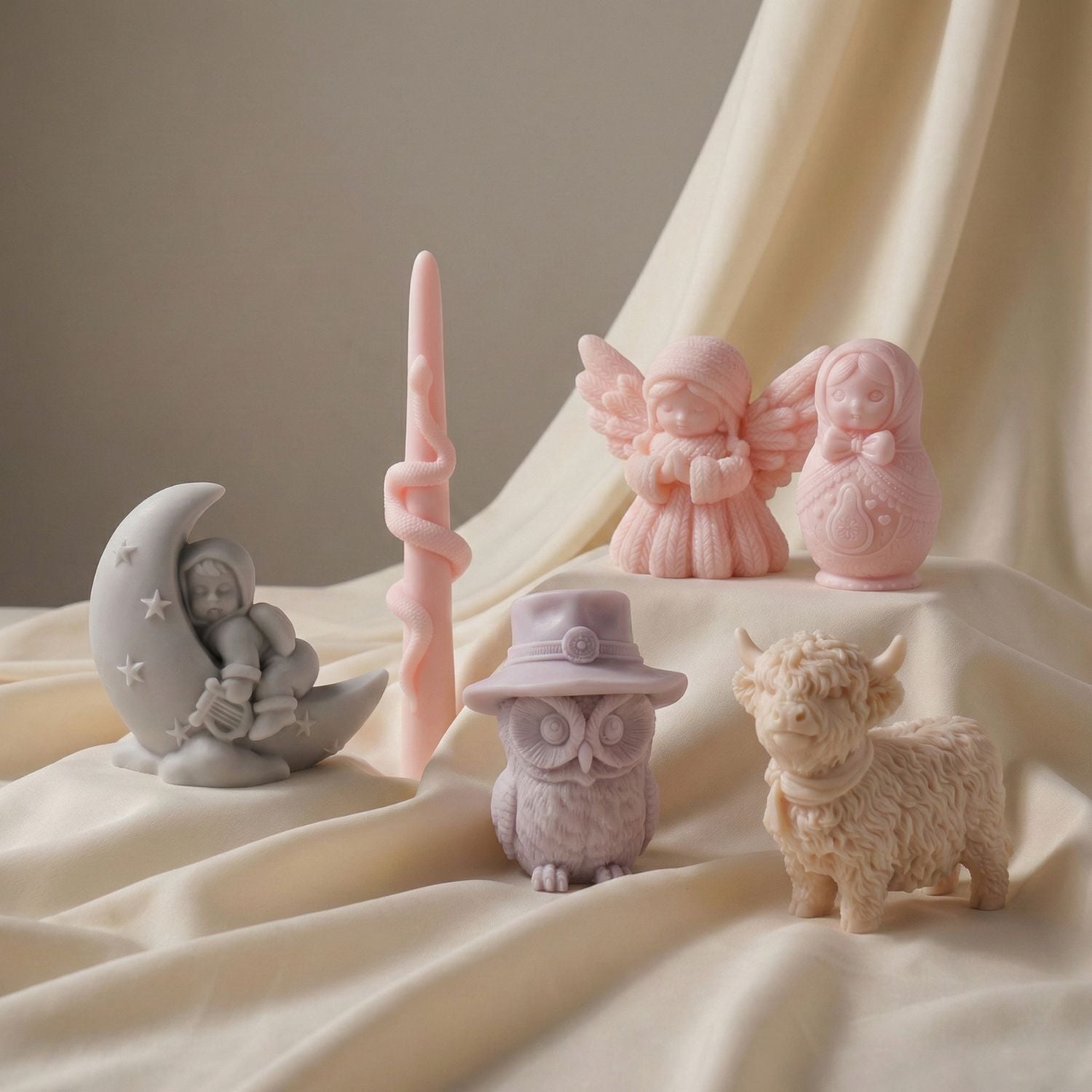
Silicone has "memory," meaning it returns to its original shape after being stretched. This is vital for 3D molds (like animals or statues) where you must peel the mold back to remove the candle. A rigid mold would simply break the wax.
Expected Lifespan of Quality Silicone Molds
The lifespan of silicone molds varies. A cheap, thin silicone mold might last 10–20 pours. A high-quality, platinum-cured silicone mold can last 100+ uses if cared for properly.
Signs Your Mold is "Dead"
You know it is time to replace your mold when:
- The "Skin" tears: Small rips appear at the opening where you stretch it most.
- Dry Rot: The silicone feels brittle or "crunchy" instead of soft.
- Loss of Shine: The inside of the mold becomes dull, causing your candles to come out matte instead of glossy.

Factors That Destroy Silicone Molds
Even the best molds will degrade if mistreated. Here are the mold killers:
1. Excessive Heat
While silicone resists heat, pouring wax consistently at 200°F+ will age the rubber faster. Try to pour at the lowest temperature your wax allows.
2. Fragrance Attack
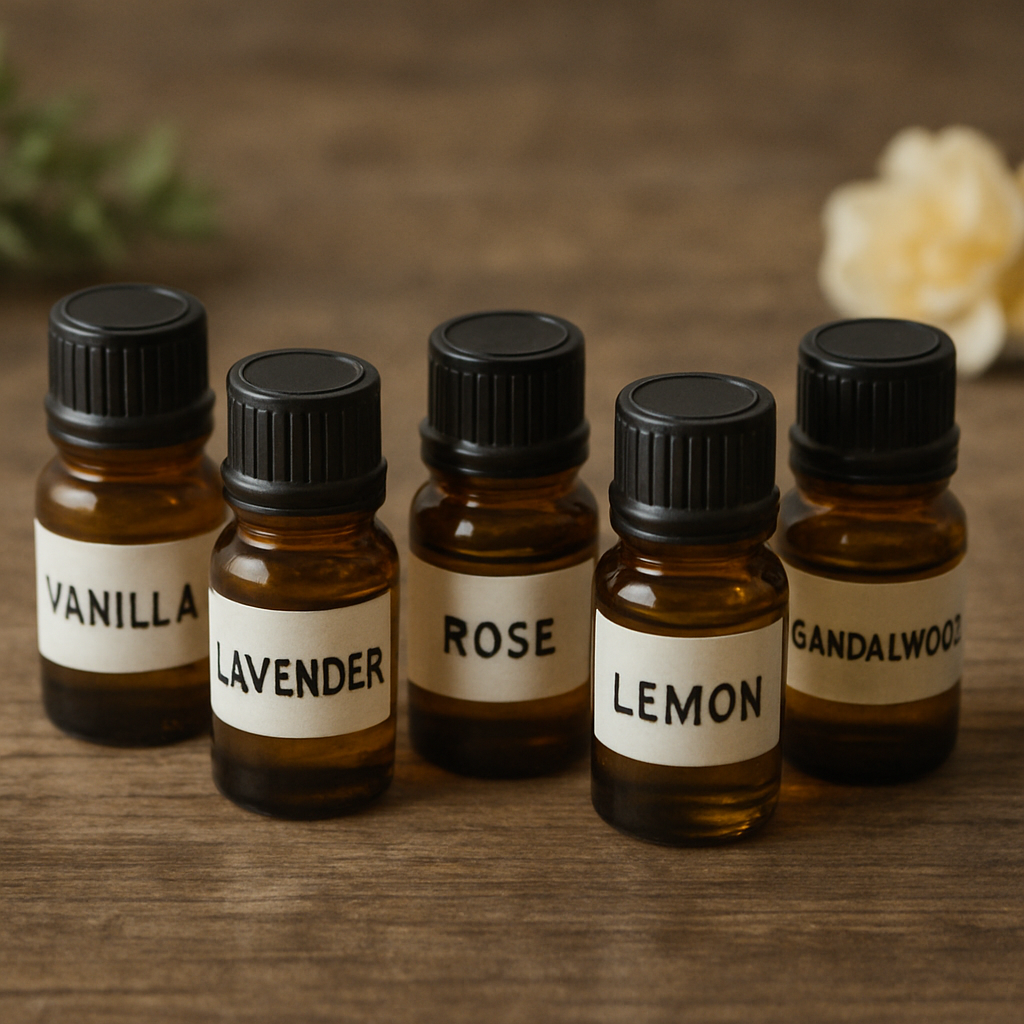
Some fragrance oils (especially citrus and cinnamon) are acidic and can eat away at silicone over time. If you use heavy fragrance loads, expect to replace molds more often.
3. Improper Storage
Silicone is soft. If you store a heavy mold on top of a lighter one, the bottom one will warp. Always store molds flat, not stacked.
Proper Maintenance to Extend Mold Life
Taking good care of your silicone molds is the key to ensuring their longevity. For a full step-by-step tutorial, read our guide on How to Properly Clean Silicone Molds.
Quick Cleaning Tips:
- No Abrasives: Never use a scrubbing sponge. It scratches the shiny inner surface.
- Warm Water Only: Boiling water can shock the material. Use warm, soapy water.
- Dry Thoroughly: Water spots inside the mold will transfer to your next candle.
Comparing Silicone to Other Materials
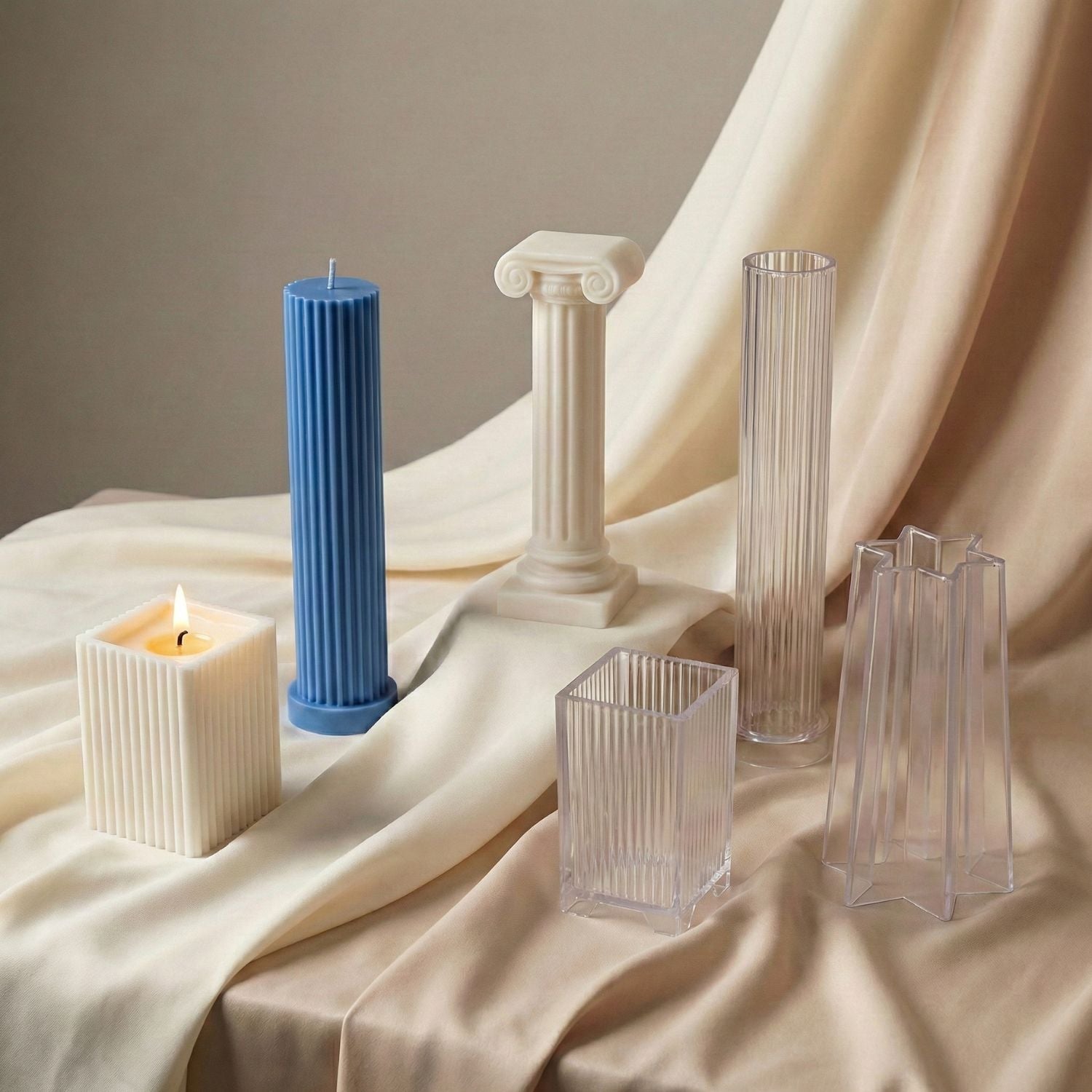
Is silicone always the best choice? Not necessarily. For professional pillars, many makers prefer rigid plastic.
Silicone vs. Polycarbonate
- Silicone: Best for 3D shapes, animals, and complex textures. Easy to demold.
- Polycarbonate: Best for smooth geometric pillars. Lasts longer (5+ years) but cannot do complex shapes.
Not sure which one you need? Read our battle of Silicone vs. Polycarbonate Molds to decide.
| Material | Durability | Best Use | Lifespan |
|---|---|---|---|
| Silicone | High Flexibility | 3D Shapes / Novelty | 1-3 Years |
| Polycarbonate | High Rigidity | Smooth Pillars | 5+ Years |
| Metal | Extreme Durability | Tapers / Votives | Lifetime |
Conclusion: Maximizing Your Investment
To get the most value from your silicone candle molds, treat them like an investment. Store them flat, clean them gently, and they will reward you with hundreds of perfect candles. When they finally do wear out, replace them promptly to keep your product quality high.
Frequently Asked Questions (FAQ)
What is the average lifespan of a silicone candle mold?
A high-quality silicone candle mold typically lasts between 50 to 100+ uses. This depends heavily on the heat of the wax you pour and how gently you demold the candle.
Can I repair a torn silicone mold?
Technically, yes, with silicone adhesive. However, the repair line will leave an ugly scar on every future candle you make. It is almost always better to simply replace the mold to ensure a professional finish.
Does soy wax hurt silicone molds?
No, soy wax is very gentle on silicone. Paraffin wax, which is often poured hotter, tends to age silicone faster than soy or beeswax.
Why is my mold sticky after cleaning?
If your mold feels sticky, silicone oil may be seeping out (common in cheap molds) or you may have fragrance oil residue. Wash it again with warm soapy water and let it air dry completely.

Written by Syed Muhammad Usaid


Leave a comment
This site is protected by hCaptcha and the hCaptcha Privacy Policy and Terms of Service apply.