How to Start a Candle Business: Step-by-Step Guide
Turning a candle-making hobby into a profitable business is a dream for many crafters. The candle industry is booming, with customers constantly seeking unique scents, sustainable waxes, and artistic designs.
But how do you go from pouring in your kitchen to selling thousands of dollars a month? It requires more than just good wax—it requires a plan.
In this comprehensive guide, we will walk you through the essential steps to launch your own candle business, from legal requirements to shipping strategies.

Table of Contents
- 1. Market Research: Finding Your Niche
- 2. The Boring Stuff: Legal & Insurance
- 3. Sourcing Professional Supplies
- 4. Master Your Craft: Testing & Safety
- 5. Pricing for Profit
- 6. Marketing & Where to Sell
- 7. Logistics: Shipping & Heat
1. Market Research: Finding Your Niche
The candle market is crowded. To succeed, you cannot just sell "Vanilla Candles." You need a specific niche that speaks to a specific customer.
Popular Candle Niches:
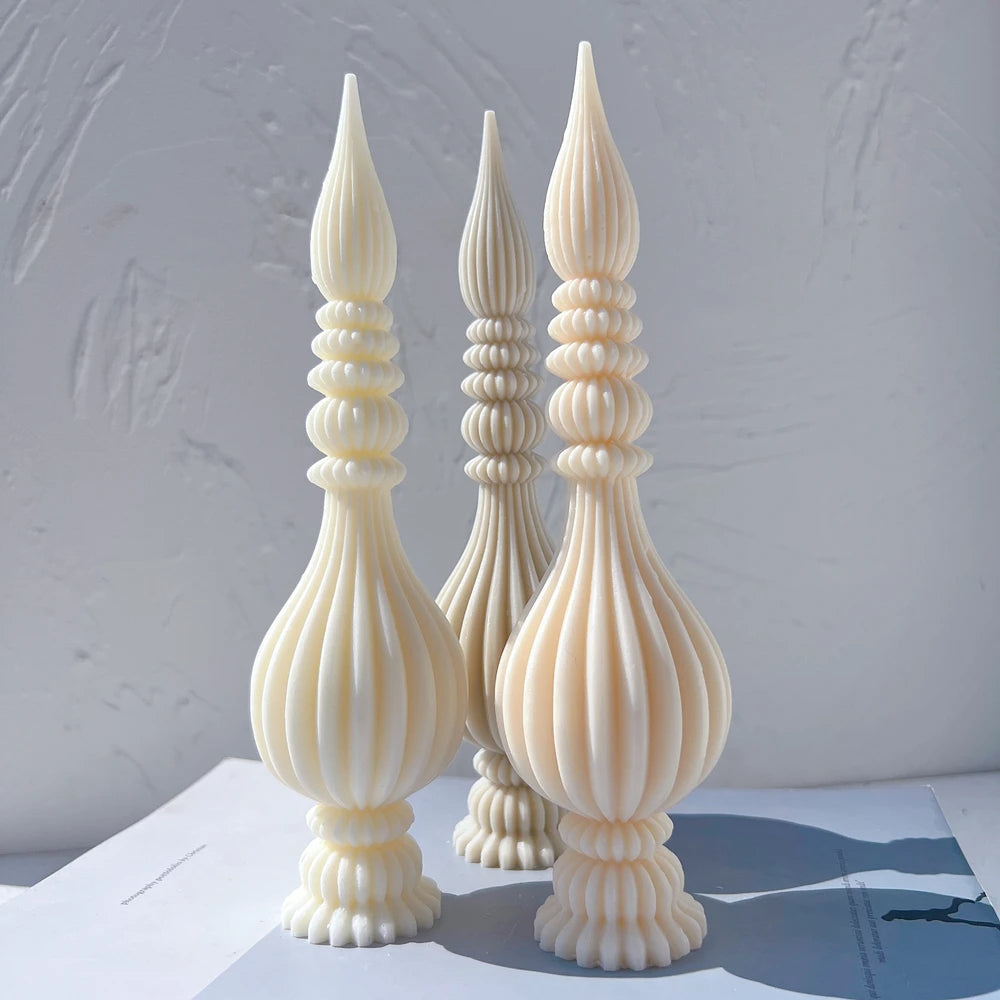
- Luxury Decor: High-end Polycarbonate Pillar Candles with a glossy finish.
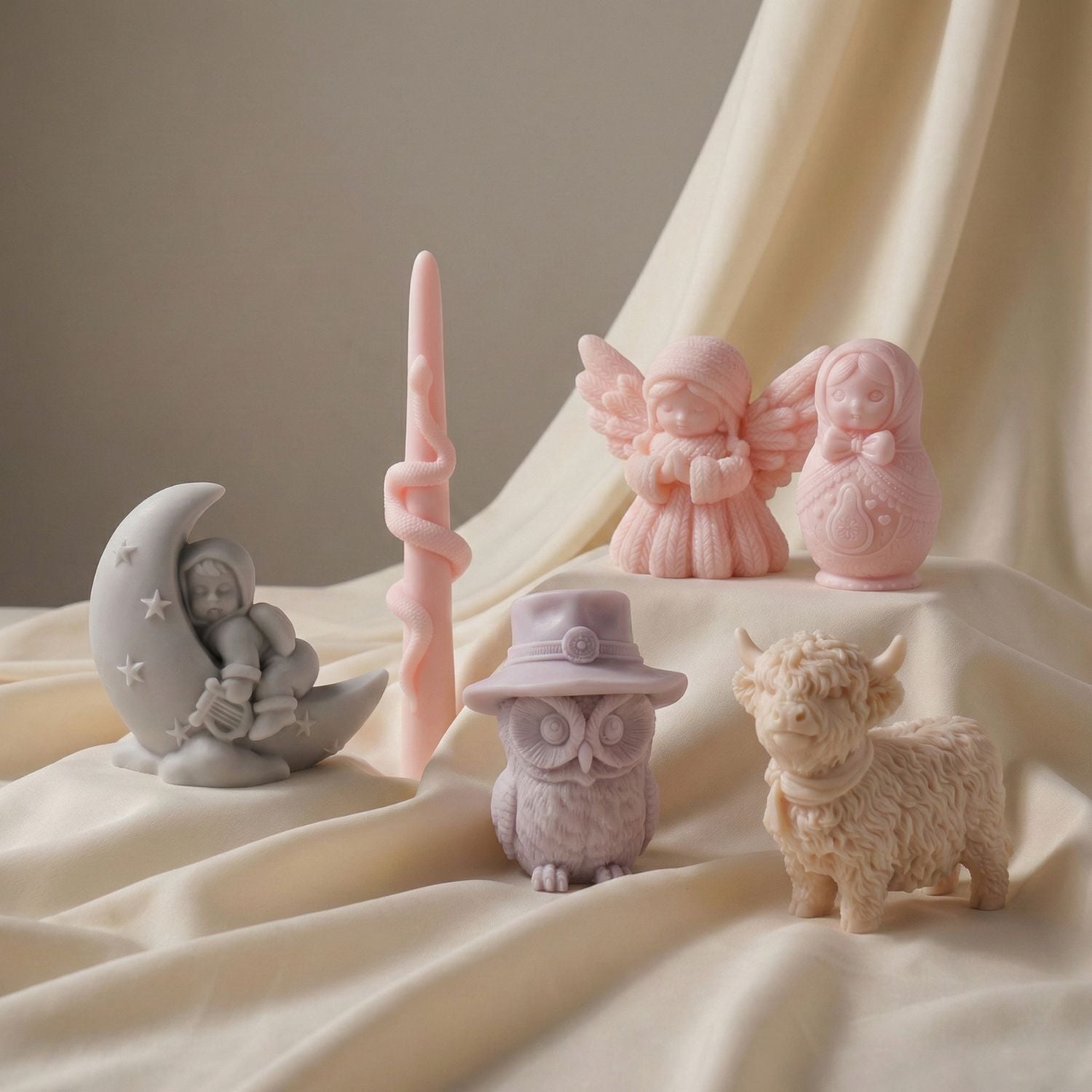
- Novelty/Artistic: Unique shapes using 3D Silicone Molds (like body shapes, bubbles, or animals).
- Eco-Friendly: 100% Soy or Beeswax candles with wooden wicks and recycled packaging.
- Aromatherapy: Candles blended with essential oils for specific moods (Sleep, Focus, Energy).
Action Step: Look at your competitors. What are they missing? Can you offer better packaging, stronger scents, or unique shapes they don't have?
2. The Boring Stuff: Legal & Insurance
Before you sell a single candle, you need to protect yourself.
- Business Entity: Most makers start as a Sole Proprietorship, but forming an LLC (Limited Liability Company) separates your personal assets from your business liabilities.
- Insurance: This is non-negotiable. Candles involve fire. If a customer's house catches fire and they blame your candle, Product Liability Insurance protects you from being sued for everything you own.
-
Labeling Laws: In the USA, you must comply with ASTM standards. Your label must include:
- The word "Candle"
- Net Weight (in oz and grams)
- Manufacturer's Name & Location
- Warning/Safety Label on the bottom (Fire hazard warnings).
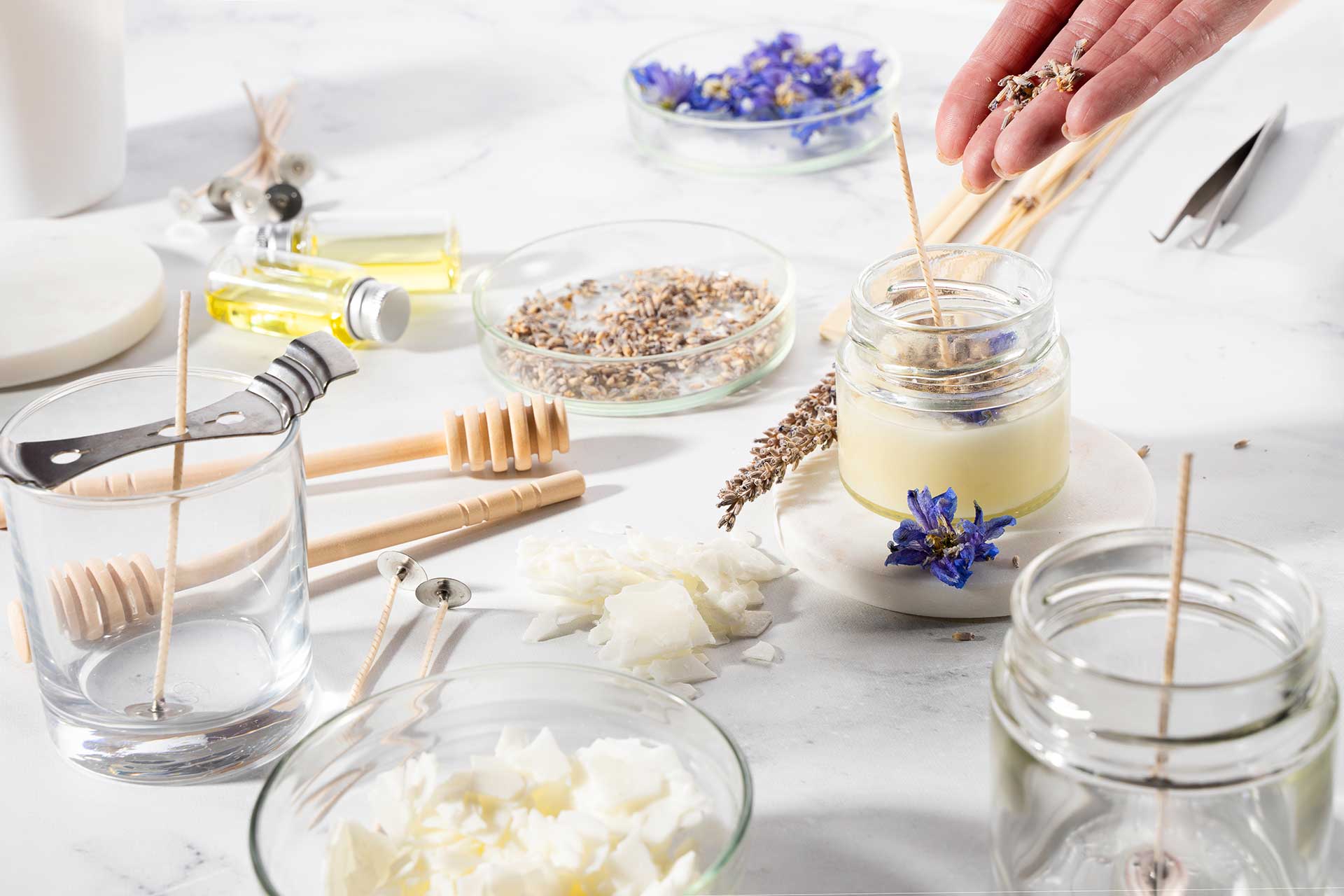
3. Sourcing Professional Supplies
You cannot build a profitable business buying supplies at retail craft stores. You need wholesale suppliers to keep your margins healthy.
Essential Equipment:
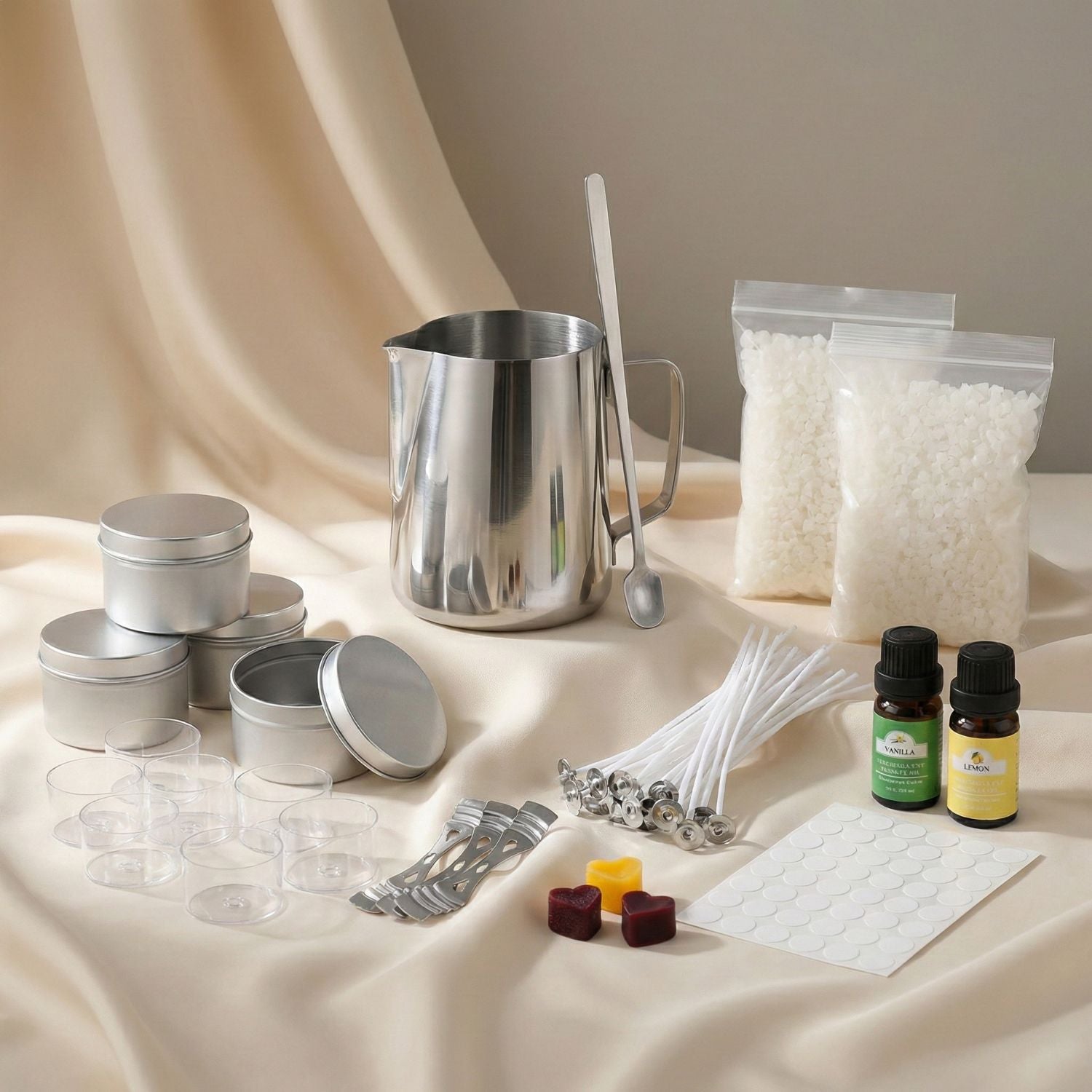
- Wax Melter: A double boiler or a dedicated large Wax Melting Pot to handle bulk batches.
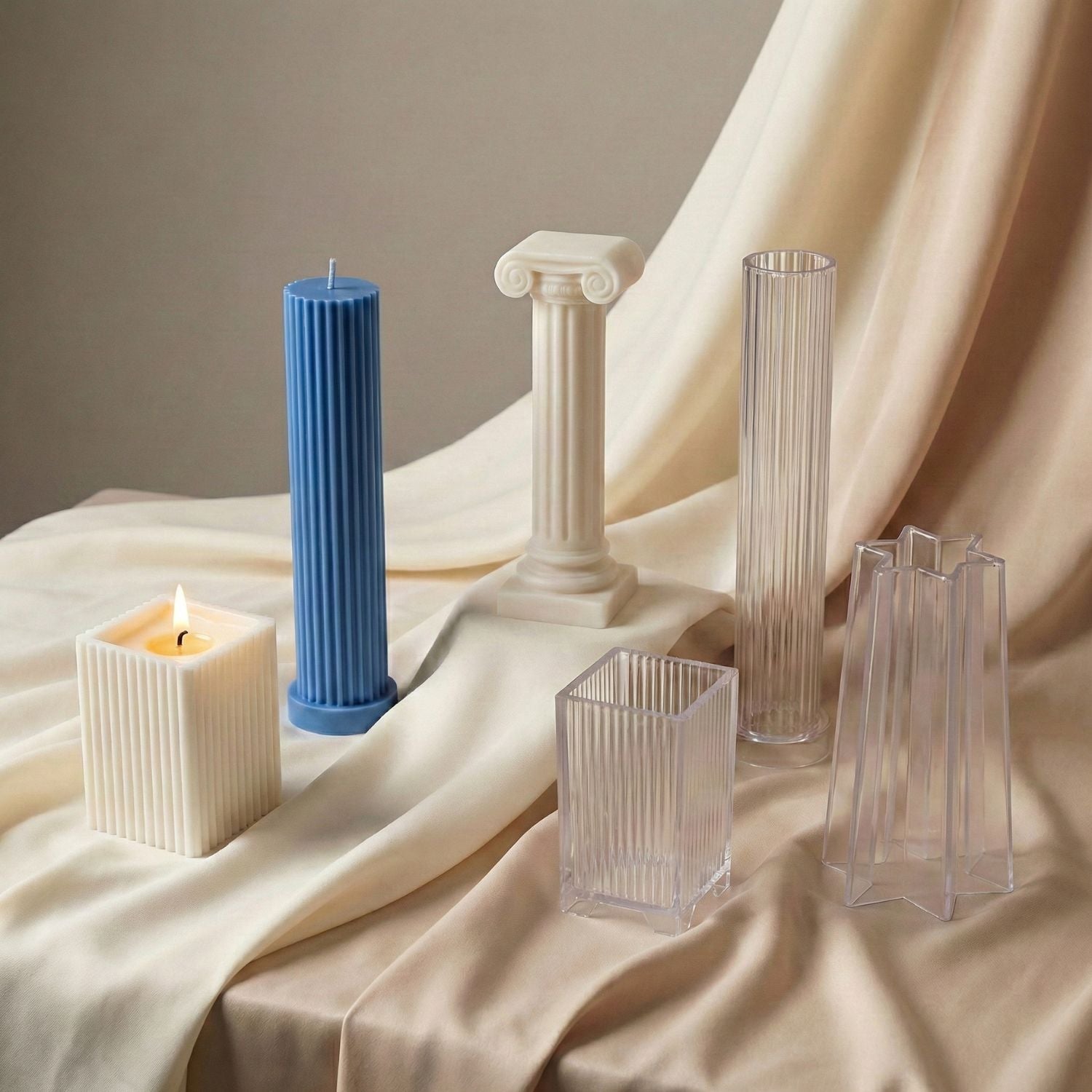
- Molds: Invest in durable molds. Silicone vs. Polycarbonate—know the difference!
- Wicks: Don't guess. Use a Wick Centering Tool to ensure professional, centered burns.
- Scale: Baking requires precision; so does candle making. Always weigh your fragrance oils, never measure by volume.
4. Master Your Craft: Testing & Safety
A "hobby" candle can smell nice. A "business" candle must burn safely every single time.
The "Burn Test" Protocol:
Before launching a new scent, you must test it.
- Wick Testing: Does the flame flicker too high? (Wick too big). Does it tunnel down the center? (Wick too small). Check our Wick Guide for help.
- Hot Throw: Does the scent fill a room? If not, check your Fragrance Load.
- Safety: Does the glass jar get too hot? Does the flame self-extinguish at the end?
Pro Tip: Keep a "Batch Log" notebook recording the exact temperature, wax weight, and fragrance percentage of every batch.
5. Pricing for Profit
Many new makers underprice their work. Do not just multiply your cost by 2. That is a recipe for bankruptcy.
The Pricing Formula:
(Materials + Labor + Overhead) x 2 = Wholesale Price
Wholesale Price x 2 = Retail Price
If a candle costs you $4 to make (wax, jar, lid, label, fragrance):
- Wholesale Price: $8.00 (This is what you sell to shops for).
- Retail Price: $16.00 - $20.00 (This is what you sell to customers for).
If you sell it for $10, you are barely covering your time, and you will never be able to afford to sell wholesale to boutiques later.
6. Marketing & Where to Sell
You have a great product. Now, where do you find customers?
Sales Channels:
- Your Own Website (Shopify): Highest profit margins, full control over your brand.
- Etsy: Built-in traffic, but high fees and lots of competition. Great for starting out.
- Craft Fairs/Markets: The best way to get instant feedback. People love to smell before they buy.
- Wholesale (Faire/Tundra): Selling in bulk to boutiques. Lower profit per candle, but higher volume.
Marketing 101:
- Photography: Your photos are the only way online customers can "smell" your candle. Use bright, natural light.
- Social Media: TikTok and Instagram Reels are huge for candles. Show the "Behind the Scenes"—pouring the wax, the "demold reveal," and packing orders.
- Pinterest: Candles are highly visual. Pin your high-gloss photos to Pinterest boards to drive long-term traffic to your site.
- Email List: Collect emails at craft fairs. These are your most loyal customers for future product launches.
7. Logistics: Shipping & Heat
Shipping is the silent killer of candle profits. Glass is heavy, and wax melts.
- Weight: Candles are heavy. Always calculate shipping costs based on weight before setting your prices.
- The "Summer Melt": If you ship soy wax in July, it will arrive as a puddle. During summer months, only ship on Mon-Wed (so boxes don't sit in hot trucks over the weekend) and consider using ice packs or thermal bubble wrap.
Frequently Asked Questions (FAQs)
How much money do I need to start a candle business?
You can start a small home-based operation for $500–$1,000. This covers your initial bulk wax, fragrance oils, a melting pot, molds, and insurance. Scaling up will require reinvesting your profits.
Do I need a license to sell candles from home?
Usually, yes. You likely need a general Business License from your city or county and a Sales Tax Permit (to collect and pay tax to the state). Check your local Small Business Administration (SBA) office for specific local laws.
What is the most profitable type of candle?
While jars are popular, Molded Pillars (using silicone or polycarbonate molds) often have higher profit margins because you don't have to buy a glass vessel for every single unit. You simply reuse the mold hundreds of times.
Can I sell candles without insurance?
Technically yes, but it is extremely risky. One house fire lawsuit could bankrupt you personally. Many farmers' markets will not let you set up a booth without proof of General Liability Insurance.

Written by Syed Muhammad Usaid

Leave a comment
This site is protected by hCaptcha and the hCaptcha Privacy Policy and Terms of Service apply.